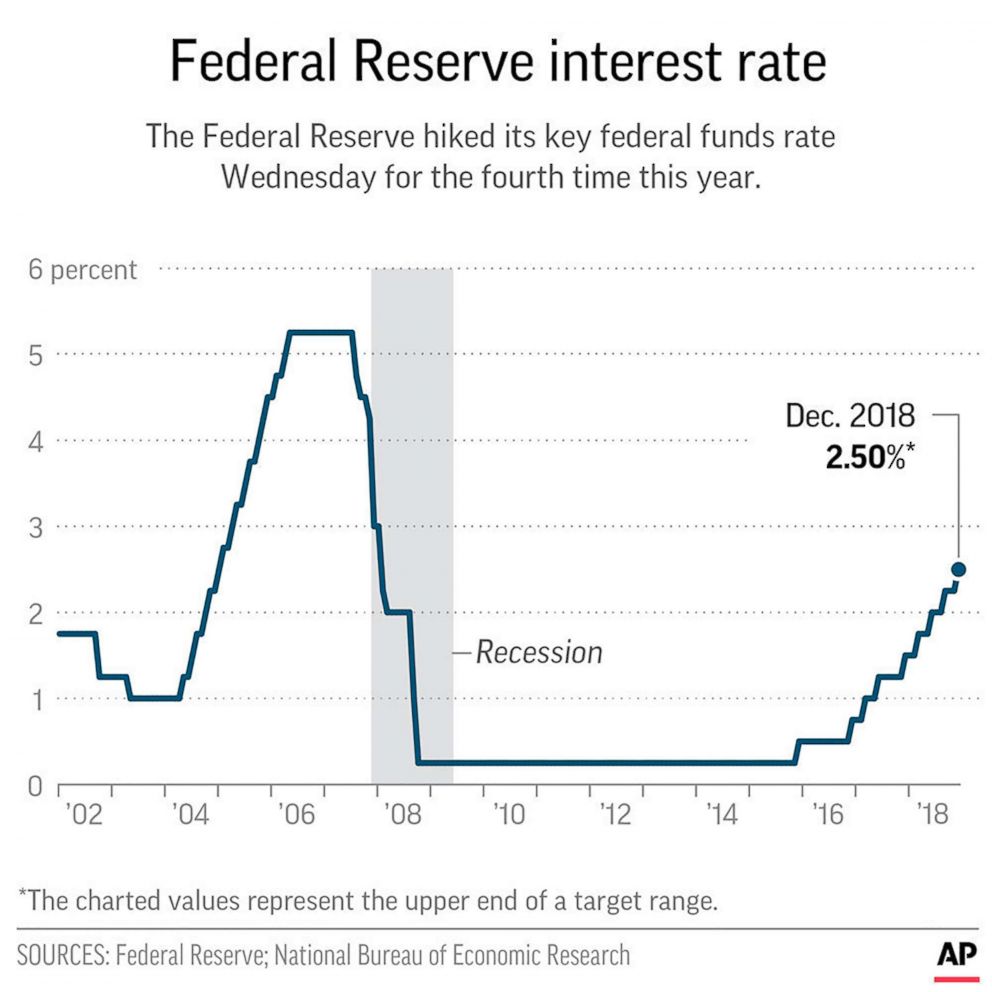
The U.S. Federal Reserve's decision to raise its benchmark rate to 3.75%–4.00% — its first hike in more than three years — is a global monetary event with local consequences. When U.S. rates rise, dollar-denominated assets become more attractive relative to emerging-market debt and equities. Capital that had been chasing yield in markets like Nigeria's has a reason to reconsider, and the dollar itself tends to strengthen, making imports more expensive and putting pressure on currencies that are still finding their footing.
Nigeria enters this cycle in a better position than it has in past hiking episodes. The naira has seen relative stability following recent FX reforms, portfolio inflows have been recovering, and the current account surplus discussed elsewhere in this series gives the CBN more room to absorb pressure than it had during previous Fed tightening cycles. That said, 'better position' is relative — it does not mean immune.
The practical takeaway for Nigerian businesses with dollar exposure — importers, anyone servicing foreign-denominated debt, or firms budgeting for equipment purchased abroad — is to treat this as the start of a tightening cycle, not a one-off adjustment. Fed policymakers have signaled at least one more increase is likely before year-end. Firms that build in a margin for further naira softness now will be in a stronger position than those that wait for the next rate decision to react.