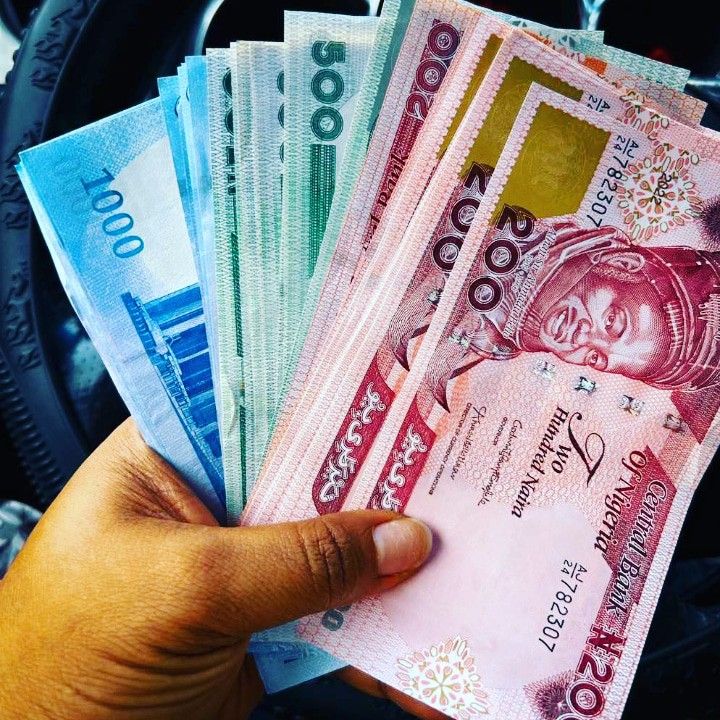
Nigeria's current account surplus rose to $7.54 billion in the second quarter of 2026, up 68% from the previous quarter, driven by stronger export receipts and a marked increase in diaspora remittances. On paper, this is unambiguously good news: a wider surplus strengthens the country's external buffers, supports the naira, and gives the Central Bank more room to manage foreign exchange stability without drawing down reserves.
But a headline number like this deserves a second look before it becomes a talking point. Remittance-driven surpluses are structurally different from export-driven ones. Export growth reflects productive capacity — refineries running, farms producing, factories shipping. Remittance growth reflects household decisions made abroad, often in response to naira depreciation making transfers home stretch further, or diaspora households sending more during periods of domestic economic strain. Both can move a balance-of-payments number in the same direction while telling very different stories about the health of the underlying economy.
For policymakers, the near-term implication is straightforward: use the breathing room. A surplus this size is an opportunity to rebuild reserves and reduce reliance on short-term capital inflows that can reverse quickly. For businesses and investors, the more useful question isn't whether the surplus is good — it clearly helps — but what's actually driving it, and whether that driver is durable. We'll be watching the Q3 composition data closely to see whether export receipts start pulling more of the weight.